TL;DR
Stopping anti anxiety medication suddenly, especially a benzodiazepine, can cause seizures and other dangerous withdrawal effects. Do not quit cold turkey.
A safe taper means lowering the dose in small steps on a schedule you and your prescriber set together, and adjusting it as you go.
Call 911 or go to an emergency room for seizures, confusion, hallucinations, or thoughts of suicide.
Therapy skills built during the taper are what keep anxiety manageable after the pills are gone.
If you cannot cut back, or you have been using more than prescribed, medically supervised detox and addiction treatment are available at Fort Worth Wellness.
Table of Contents
Why stopping anti anxiety medication suddenly can be dangerous
Types of anti anxiety medication and how dependence develops
How tapering works: building a safe plan with your prescriber
Managing anxiety during and after a taper: therapy and coping strategies
When medically supervised detox and addiction treatment are the right choice
Introduction
You may have taken your anti anxiety medication for months or for ten years. Now you want off it. Maybe it makes you foggy, maybe you are tired of needing it, maybe you are afraid of what it has become. All of those are good reasons to ask the question.
This guide explains how to stop taking anti anxiety medication without putting your health at risk. It covers why quitting abruptly is dangerous, how a taper works, which symptoms are normal and which are emergencies, and where to turn when you cannot do it alone. If you are a family member reading this, you will find a plain picture of what your loved one is facing and how you can help. Nothing here replaces your prescriber. Please do not change your dose until you have talked with them.
Why stopping anti anxiety medication suddenly can be dangerous
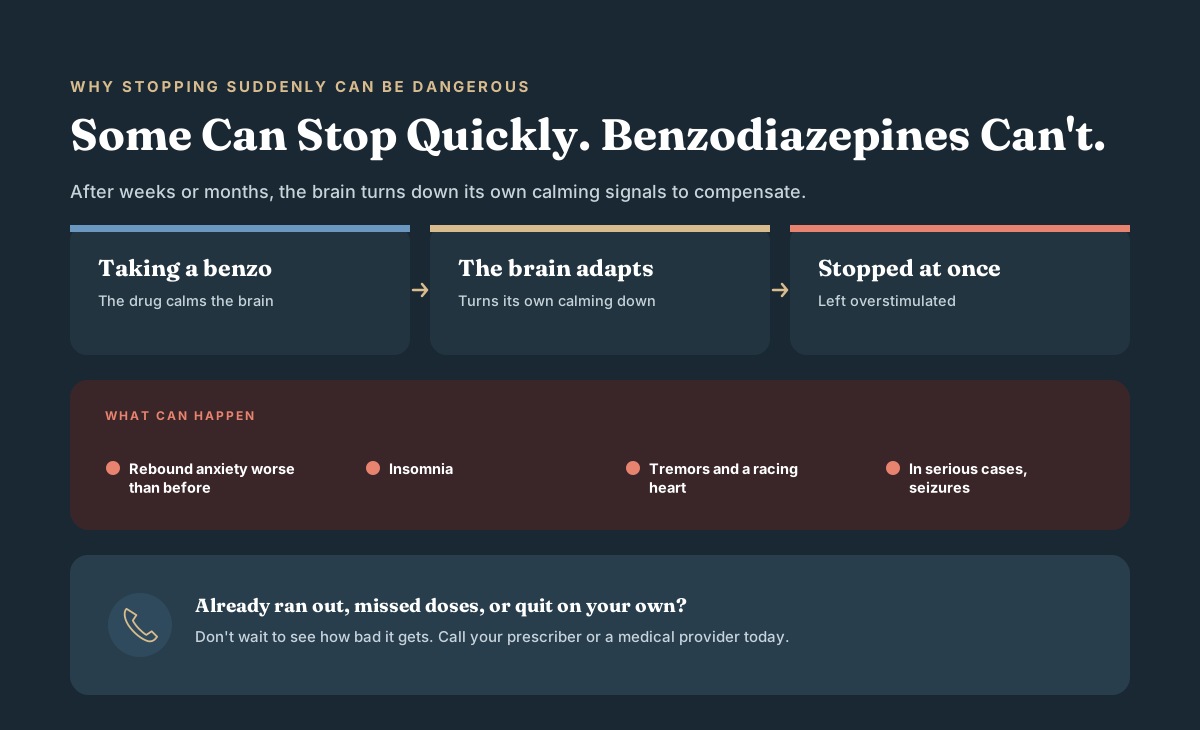
Some anti anxiety medication is safe to stop quickly. Benzodiazepines are not. After weeks or months of use, your brain adjusts to the drug's calming effect and turns down its own calming signals to compensate. Remove the drug at once and the brain is left overstimulated.
The result can be severe: rebound anxiety worse than what you started with, insomnia, tremors, a racing heart, and in serious cases seizures. Alcohol withdrawal works in a similar way, which is one reason clinicians treat both with such care. The American Society of Addiction Medicine (ASAM), a medical society of more than 8,000 physicians and clinicians who specialize in addiction medicine, offers education on withdrawal management for this reason.[1]
If you have already run out, missed doses, or quit on your own, do not wait to see how bad it gets. Call your prescriber or a medical provider today.
Types of anti anxiety medication and how dependence develops
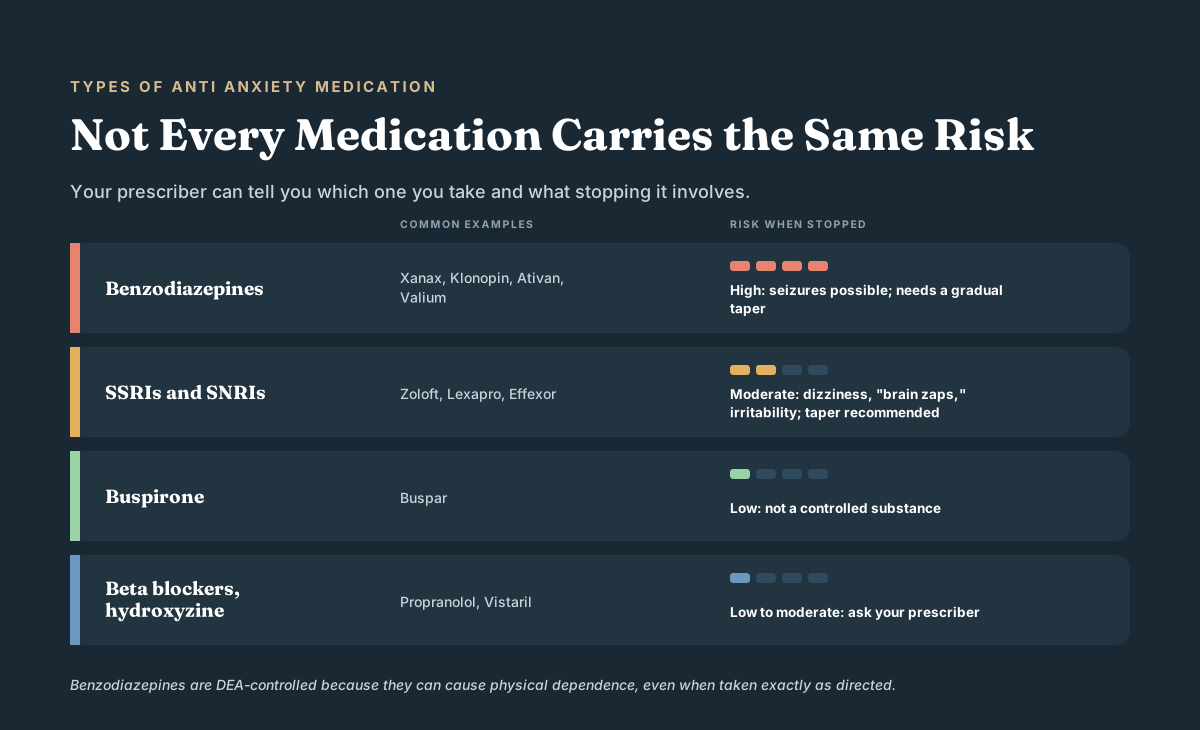
Not every anti anxiety medication carries the same risk. The table below shows the main groups people ask about. Your prescriber can tell you which one you take and what stopping it involves.
Type | Common examples | Risk when stopped |
|---|---|---|
Benzodiazepines | Xanax (alprazolam), Klonopin (clonazepam), Ativan (lorazepam), Valium (diazepam) | High. Seizures are possible. Needs a gradual taper. |
SSRIs and SNRIs | Zoloft, Lexapro, Effexor | Moderate. Dizziness, "brain zaps," irritability. Taper recommended. |
Buspirone | Buspar | Low. Not a controlled substance. |
Beta blockers and hydroxyzine | Propranolol, Vistaril | Low to moderate. Ask your prescriber. |
Benzodiazepines are controlled substances, meaning the DEA regulates how they are prescribed and tracked.[2] That regulation exists because they can cause physical dependence, even when taken exactly as directed.
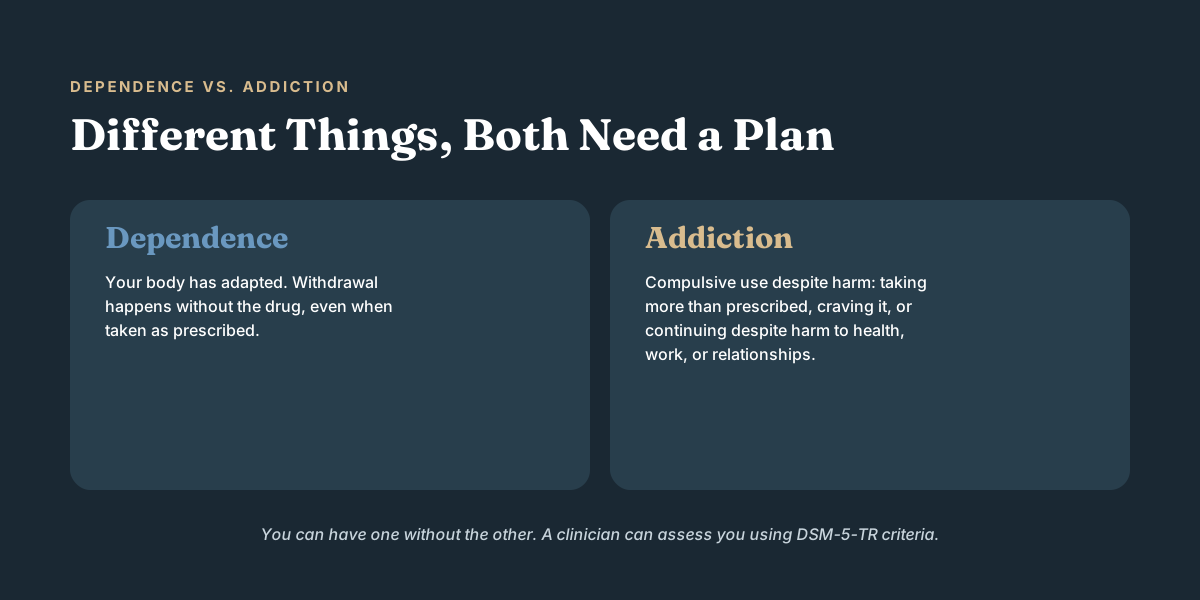
Dependence and addiction are different things. Dependence means your body has adapted and withdrawal happens without the drug. Addiction is compulsive use despite harm. You can have one without the other, and either one deserves a medical plan. The DSM-5-TR, the standard classification used by mental health professionals in the United States, defines the clinical criteria for substance use disorders.[3]
How tapering works: building a safe plan with your prescriber
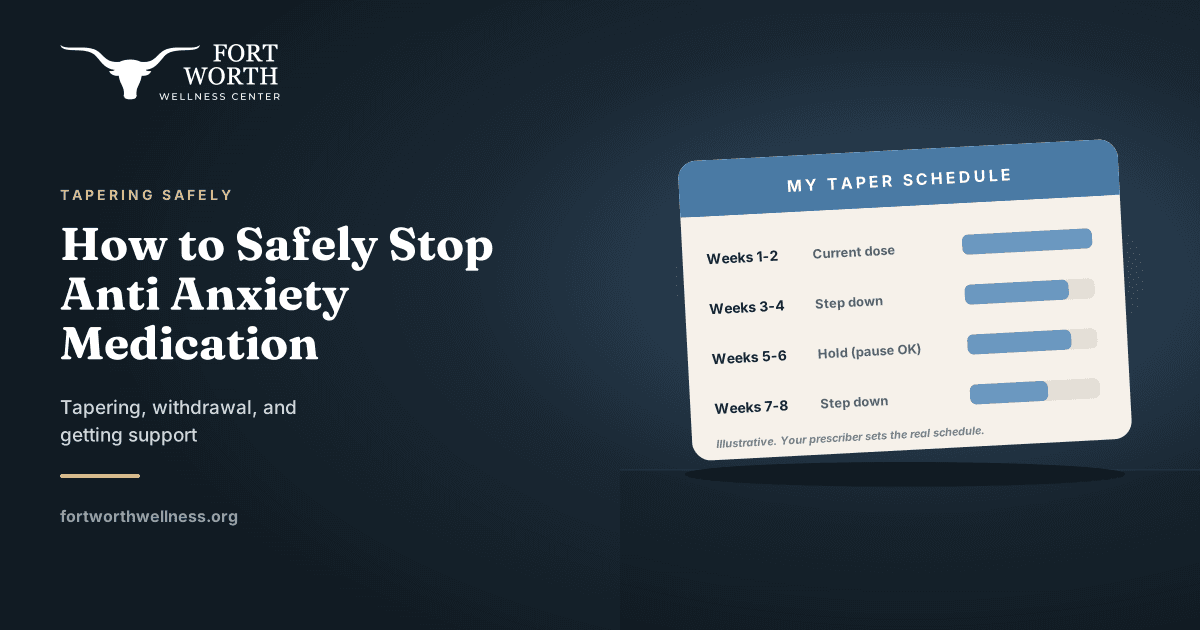
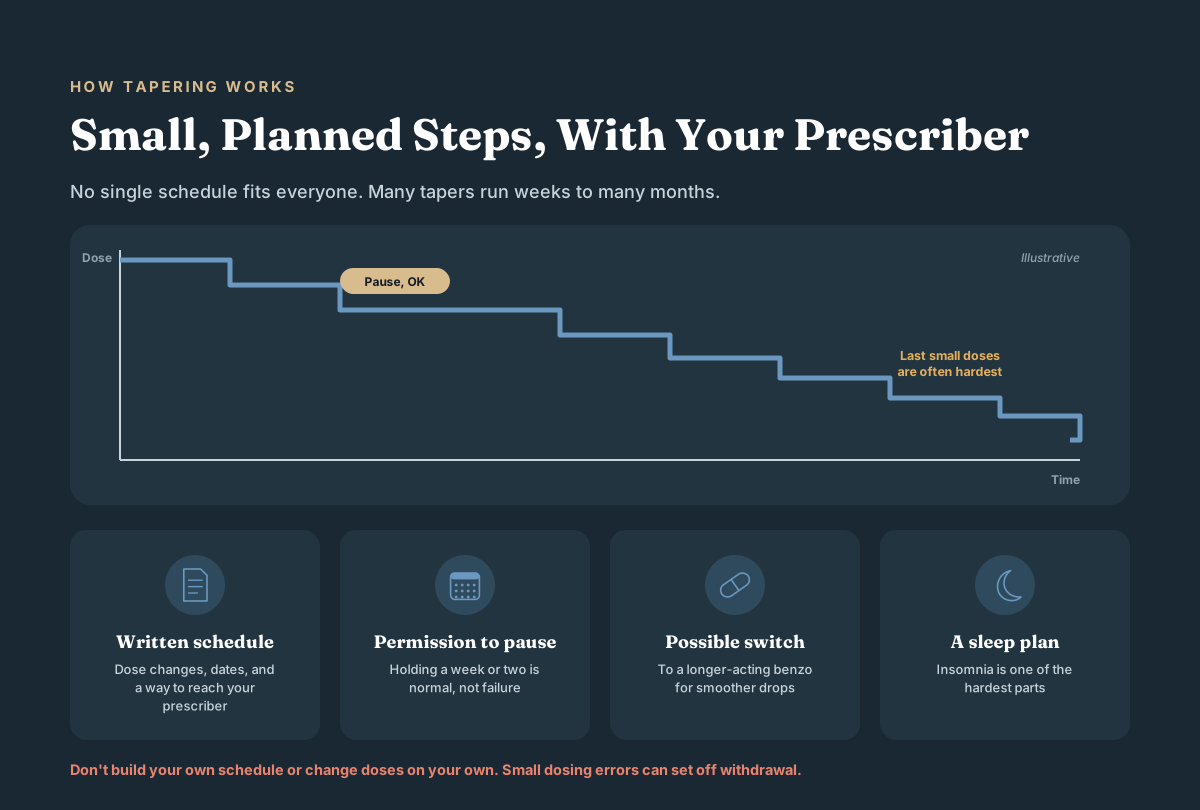
A taper lowers your dose in small, planned steps so your brain can readjust between each one. No single schedule fits everyone. Your dose, how long you have taken it, which drug it is, your health, and your history with other substances all shape the plan.
A good taper plan usually includes:
A written schedule with dose changes and dates, and a way to reach your prescriber between visits.
Permission to pause. If a step is too hard, holding at the current dose for a week or two is normal and not a failure.
Sometimes a switch to a longer-acting benzodiazepine, which can make the dose drops smoother.
A plan for sleep, since insomnia is one of the hardest parts.
Many tapers run weeks to many months, and the last small doses are often the hardest. If you are unsure how to open this conversation, our post on talking to your doctor about medicine for anxiety if you're in recovery gives specific questions to bring.
Do not split pills, skip days, or build your own schedule from the internet. Small errors in dosing can set off withdrawal.
Common withdrawal symptoms and when to seek emergency help
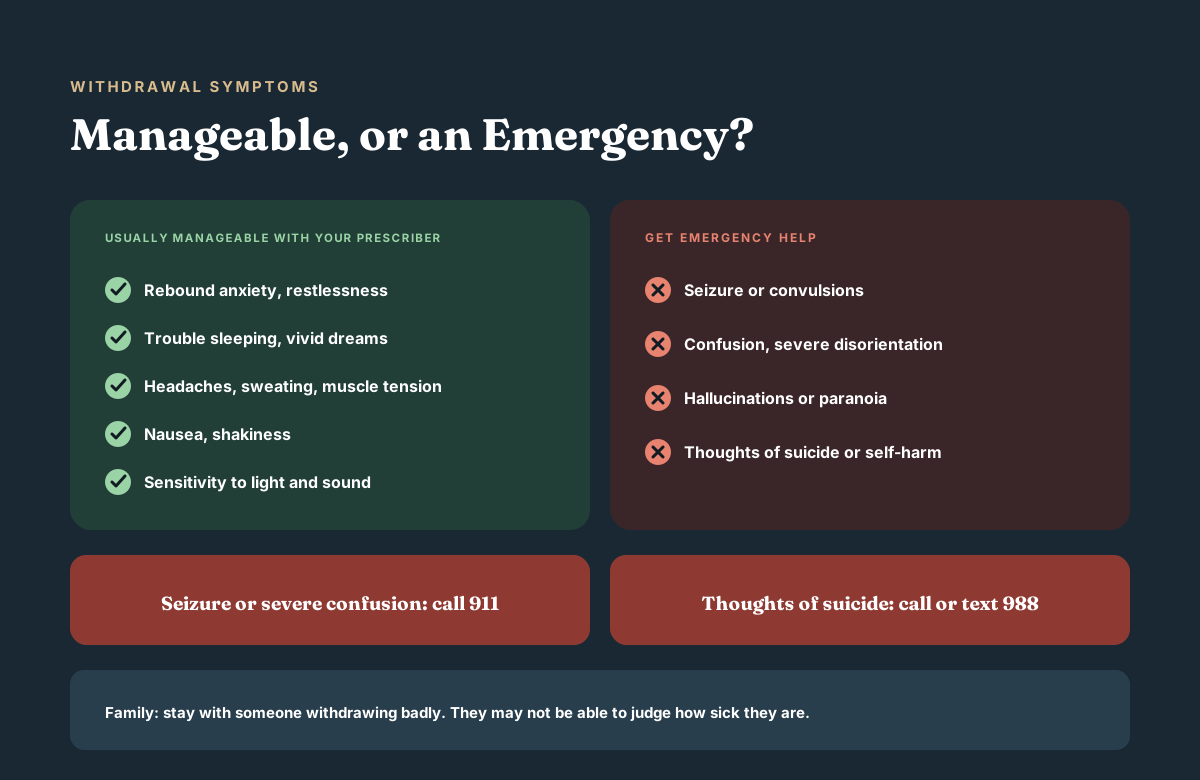
Most people notice some symptoms during a taper, and most are uncomfortable but manageable. Others are emergencies. Knowing the difference can protect you.
Usually manageable with your prescriber | Get emergency help |
|---|---|
Rebound anxiety, restlessness | Seizure or convulsions |
Trouble sleeping, vivid dreams | Confusion, severe disorientation |
Headaches, sweating, muscle tension | Hallucinations or paranoia |
Nausea, shakiness, sensitivity to light and sound | Thoughts of suicide or self-harm |
Call 911 for a seizure or severe confusion. If you or someone you love is having thoughts of suicide, call or text 988, the Suicide & Crisis Lifeline run through SAMHSA.[4]
Family members: stay with a person who is withdrawing badly, and do not wait for them to ask for help. Someone in severe withdrawal may not be able to judge how sick they are.
Managing anxiety during and after a taper: therapy and coping strategies
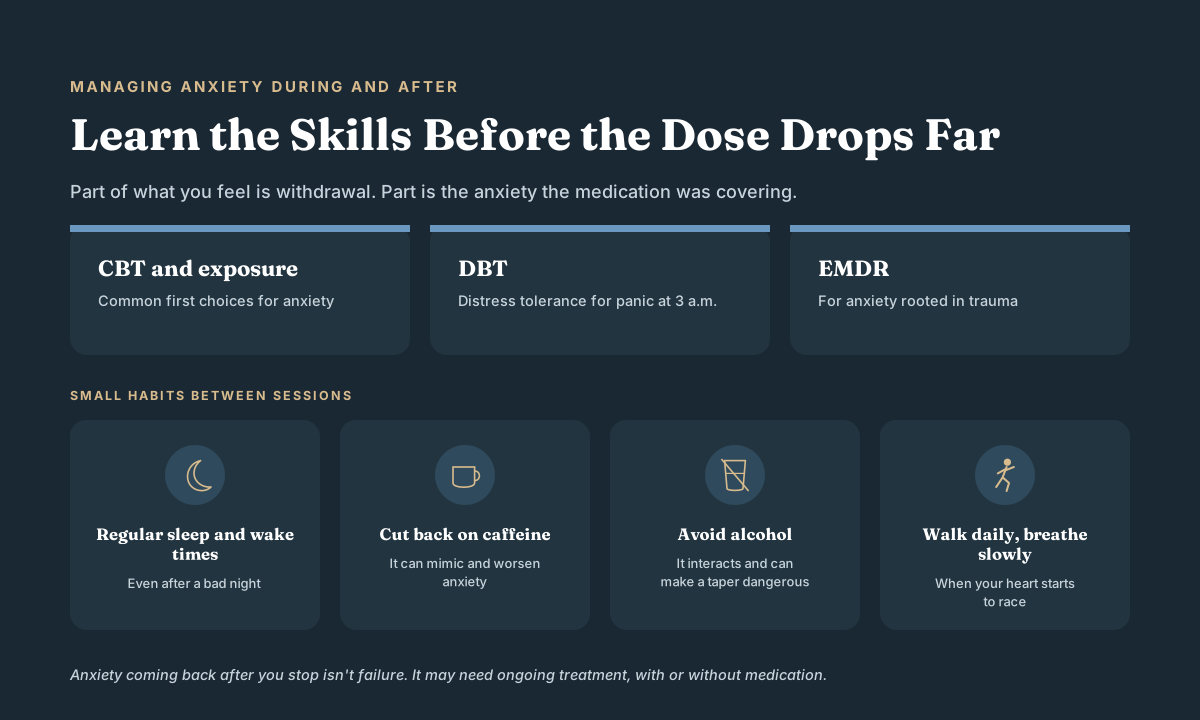
Part of what you feel during a taper is withdrawal, and part is the anxiety the medication was covering. You need tools for both. Therapy gives you skills the pill never could, and the best time to learn them is before your dose drops far.
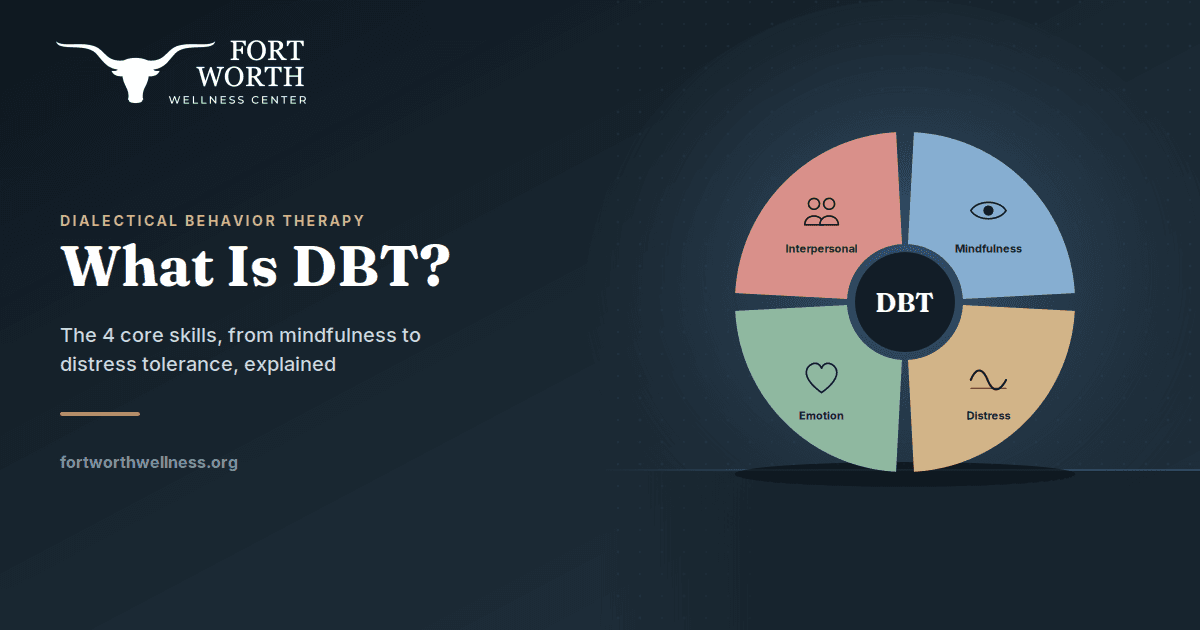
Cognitive behavioral therapy and exposure-based approaches are common choices, and we explain them in Anxiety Therapy: What Works & How to Start. Dialectical behavior therapy teaches distress tolerance, which helps when a wave of panic arrives at 3 a.m. For anxiety rooted in trauma, EMDR may help.
Between sessions, small habits matter:
Keep a regular sleep and wake time, even after a bad night.
Cut back on caffeine, which can mimic and worsen anxiety symptoms.
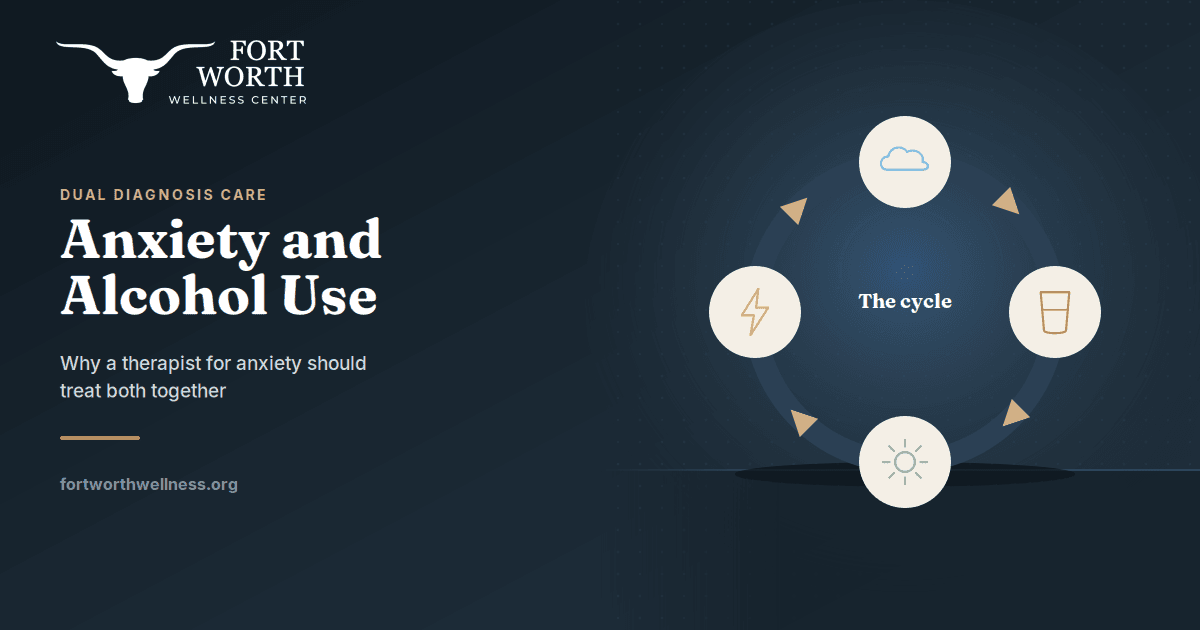
Avoid alcohol. It interacts with these drugs and can make a taper dangerous. See why treating anxiety and alcohol use together matters.
Walk daily, and practice slow breathing when your heart starts to race.
If your anxiety returns strongly after you stop, that does not mean you failed. It may mean the anxiety needs ongoing treatment, with or without medication. Our post on the signs you need generalized anxiety disorder treatment can help you sort out which it is.
When medically supervised detox and addiction treatment are the right choice
An outpatient taper with a prescriber works for many people. It is not enough for everyone. Consider a higher level of care if any of these are true:
You take more than prescribed, or take it more often than directed.
You buy pills from other sources. Counterfeit pills are a serious danger, and the DEA warns people to check that medication comes from a legitimate pharmacy.[2]
You also use alcohol or opioids, which raises the risk of dangerous withdrawal and overdose.
You have tried to taper before and could not stay on the schedule.
You have a history of seizures or severe withdrawal.
Medical detox at Fort Worth Wellness means clinicians monitor you around the clock while the drug leaves your system, and treat symptoms as they come up. If anxiety and substance use are tangled together, our dual diagnosis program treats both at once. If you need more structure and daily support, mental health residential care is another option. You can read what the early weeks look like in What to Expect in Your First 30 Days of Treatment.
The National Institute on Drug Abuse also supports research on treatment for substance use and points people to the SAMHSA Treatment Locator and 1-800-662-HELP (4357) when they are looking for care.[5]
Getting support at Fort Worth Wellness: your next steps
If you are ready to stop anti anxiety medication, start with one call. Tell us what you take, how much, and for how long. We will help you work out whether a prescriber-led taper, medical detox, or a longer program fits your situation.
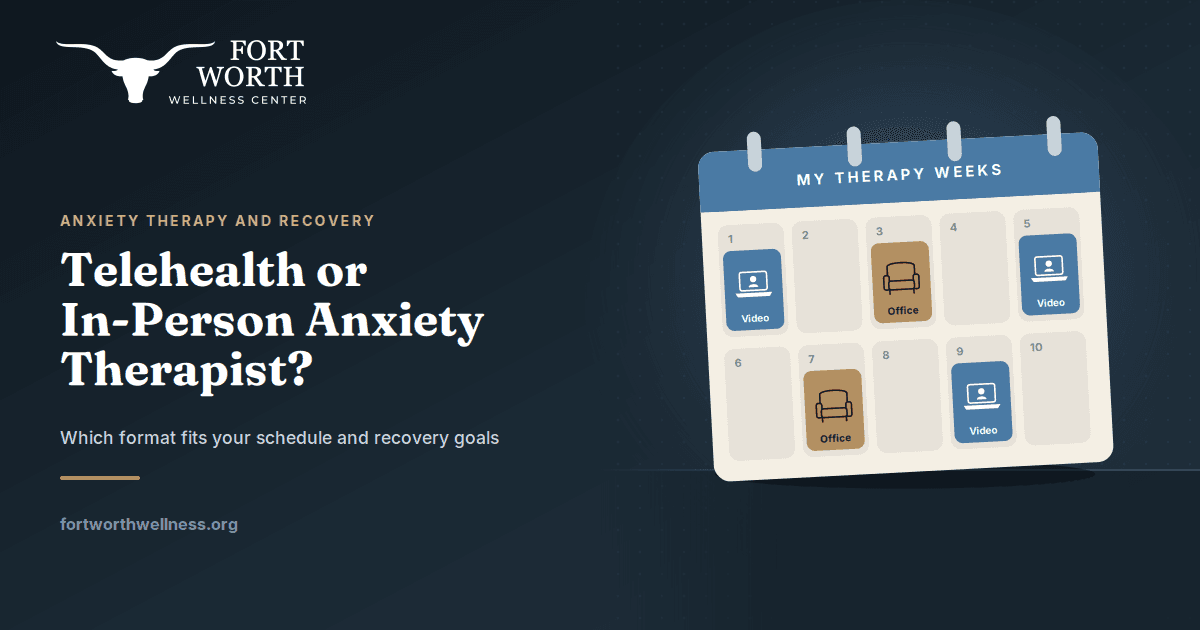
Recovery does not end when the last dose does. Our aftercare and alumni program keeps you connected to counselors and peers once you go home. Our team can also help you find the right clinician through the steps in how to choose a mental health professional for anxiety, and decide whether telehealth or in-person therapy suits your schedule. Learn more at fortworthwellness.org.
For family: you do not need to have the perfect words. Say you are worried, say you will help find a doctor, and offer to sit in the waiting room.
Frequently Asked Questions
Q: Can I just stop taking my anti anxiety medication cold turkey?
A: Not if it is a benzodiazepine, and not without asking your prescriber first. Sudden withdrawal can cause seizures, severe rebound anxiety, and confusion. Other types, such as SSRIs, are less dangerous but still cause unpleasant symptoms when stopped fast. Always get a plan first.
Q: How long does it take to taper off anti anxiety medication safely?
A: It depends on the drug, your dose, and how long you have taken it. Many tapers take several weeks to several months, and some run longer. Your prescriber can adjust the pace if symptoms get hard to manage.
Q: What are the most common withdrawal symptoms when stopping anti anxiety medication?
A: Rebound anxiety, trouble sleeping, headaches, sweating, muscle tension, nausea, shakiness, and sensitivity to light and sound are common. Seizures, hallucinations, severe confusion, and suicidal thoughts are emergencies that need immediate care.
Q: How do I know if I am dependent on or addicted to my anti anxiety medication?
A: Dependence means you get withdrawal symptoms without the drug. Addiction involves taking more than prescribed, craving it, or continuing despite harm to your health, work, or relationships. A clinician can assess you using standard criteria such as those in the DSM-5-TR.[3] You can have dependence without addiction, and both can be treated.
Q: Will my anxiety come back after I stop taking anti anxiety medication, and what can help?
A: It might. Some of the return is temporary withdrawal, and some is the original anxiety. Therapy such as CBT, steady sleep, exercise, less caffeine, and no alcohol all help. If symptoms persist, ask about longer-term treatment options.
Conclusion
Stopping anti anxiety medication is possible, and for most people it works best slowly, with a medical plan and real therapy support. Do not quit abruptly, learn the emergency signs, and ask for more help if a taper is not enough. If you or someone you love needs that help, contact Fort Worth Wellness today. We will listen first, then work out the safest next step with you.
References
American Society of Addiction Medicine. (n.d.). ASAM - American Society of Addiction Medicine. - https://www.asam.org
U.S. Drug Enforcement Administration, Diversion Control Division. (n.d.). DEA Diversion Control Division | Home. - https://www.deadiversion.usdoj.gov
American Psychiatric Association. (n.d.). Psychiatry.org - DSM. - https://www.psychiatry.org/psychiatrists/practice/dsm
Substance Abuse and Mental Health Services Administration. (n.d.). Home | SAMHSA. - https://www.samhsa.gov
National Institute on Drug Abuse. (n.d.). NIDA.NIH.GOV | National Institute on Drug Abuse (NIDA). - https://nida.nih.gov